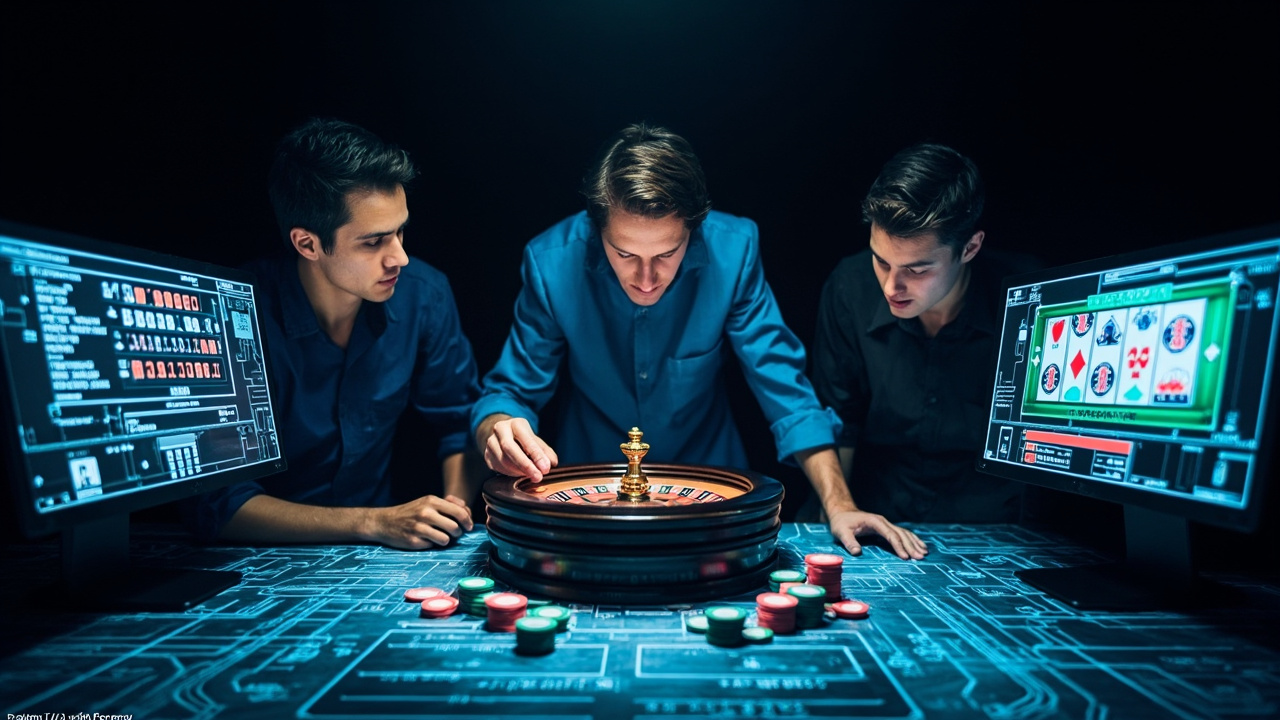
When a dealer spins a wheel night after night, the data starts to tell a story. Most players watch the ball, but the real conversation happens between the frets, the pocket depths, and the slight tilt that repeats across sessions. I have spent years building data and AI partnerships across financial services and elite sport, and the same discipline applies here: you only get a usable signal when you isolate it from noise. At jeetcity casino, the live tables run on streamed croupier wheels where each spin is logged, which gives regular players a chance to read patterns rather than chase luck. That is the premise we are looking at today, and it is worth treating the numbers with the same rigour you would apply to any measurable outcome.
Reading the wheel before the first chip goes down

A biased wheel is not a magic trick; it is a mechanical drift that shows up when you track enough spins under consistent conditions. The pockets wear unevenly, the ball loses energy at a repeatable point, and the dealer’s throw develops a rhythm that the table eventually reveals. In Wollongong, where the local clubs keep a steady weekend crowd and the pub tables see a hard run on Friday arvo, you can watch the same principle play out on a smaller scale: the wheel settles into a pattern long before the regulars notice. The trick is to log outcomes without assuming a trend from a handful of spins, because short runs lie to almost everyone. I have seen AI models in telecoms flag network anomalies that looked like noise until the sample size crossed a threshold, and roulette works the same way – you need volume, consistency, and a clear baseline before you call anything a bias. jeetcity casino
- Log the last digit of winning numbers across at least 200 spins before drawing conclusions
- Track the same dealer, wheel, and ball set so conditions stay comparable
- Ignore hot and cold streaks that vanish once the sample grows
- Compare observed frequencies against a flat distribution rather than gut feel
- Reset your notes when the table switches equipment or the floor layout changes
Where live tables show their patterns
Live roulette carries the same physical variables as a land-based wheel, just delivered through a camera and a streamed table rather than a felt floor. The croupier’s release point, the wheel’s speed, and the ball’s deceleration all leave a fingerprint that repeats when the setup stays stable. At a major Sydney venue like The Star Sydney, which sits in the Pyrmont entertainment precinct near Darling Harbour, the professional tables are maintained to a tight standard, so any drift tends to be subtle and slow rather than obvious. That is exactly why a live stream can be useful: you get a longer, cleaner run of spins without the interruptions that break a pattern in a busy room. The measurable angle here is simple – if you are watching a table for a bias, you want the same wheel, the same ball, and a dealer who is not swapping rhythm every ten minutes. When those conditions line up, the data starts to separate from the background noise.
Keeping the edge realistic once the welcome bonus fades
A welcome offer gets you in the door, but the real test is what keeps you playing when the first deposit bonus has been used. The ongoing value sits in recurring promos, cashback that softens a rough session, loyalty tiers that recognise repeat play, and tournaments that give a structured reason to return. I have judged partnership models in iGaming where the measurable outcome was not the headline bonus but the repeat-play rate after the first month, and that is the number that matters here. A table or casino that keeps players interested does it through steady reasons to come back, not a one-off splash. Cashback on losses, weekly promos that reset your bankroll slightly, and a loyalty programme that actually pays out on volume are the mechanics that turn a single session into a habit worth tracking. That is where a bias-reading approach can sit comfortably – not as a promise of profit, but as a disciplined way to choose which live tables deserve your time once the promotional shine has worn off.
| Ongoing feature | What it means for repeat play |
|---|---|
| Cashback on losses | Softens down sessions and keeps your bankroll in play |
| Weekly promos | Gives a regular reason to return without chasing a bonus |
| Loyalty tiers | Rewards volume with clearer benefits as you play more |
| Tournaments | Adds a structured competitive angle beyond plain spins |
| Repeat-play reasons | Keeps the focus on consistent tables rather than one-off offers |
Who this approach actually suits
This is not a strategy for someone wanting a guaranteed result, and it is not a shortcut around the house edge. It suits players who are comfortable logging data, patient enough to wait for a real sample, and disciplined enough to walk away when the conditions change. I have worked on measurable outcomes in financial services where the difference between a useful model and a noisy one came down to patience and sample size, and roulette bias reading is no different. If you like watching a live table, tracking spins, and making decisions based on what the numbers actually show, this can be a rewarding way to play. If you want instant action without the record-keeping, it will feel like homework. The fit comes down to whether you enjoy the process of reading a wheel as much as the spin itself.
So the real question is this: would you rather trust a handful of lucky spins or put in the time to read a live wheel properly, and are you willing to share what you have found with your mates who also watch the tables?